Property Conversions with Lawrence Rand Property Services: Loft, Garage & Barn Conversions
If you’re running out of space or want to unlock the hidden potential in your property, a smart conversion might be the perfect solution. Across the country, homeowners are turning unused lofts, garages, and barns into beautiful, practical living spaces. Whether you need a new bedroom, home office, playroom or even a unique countryside home, Lawrence Rand Property Services is here to guide you from first idea to final inspection – without the stress.
The Problem: You Need More Space, but Moving Isn’t the Answer
Moving is expensive and disruptive. Yet your current space no longer works for your family. Maybe you have an empty attic collecting dust, a garage storing boxes, or an old barn gathering cobwebs. You want to improve your home and lifestyle – but you’re unsure where to begin, and worried about planning rules, costs, or unexpected issues during the build.
Lawrence Rand Property Services makes conversions straightforward
We have extensive experience converting homes in London and the surrounding counties. From navigating planning rules to coordinating trades, Lawrence Rand Property Services is your expert partner throughout the process. We handle the complexities so you can enjoy the transformation.
Loft conversions – go up, not out
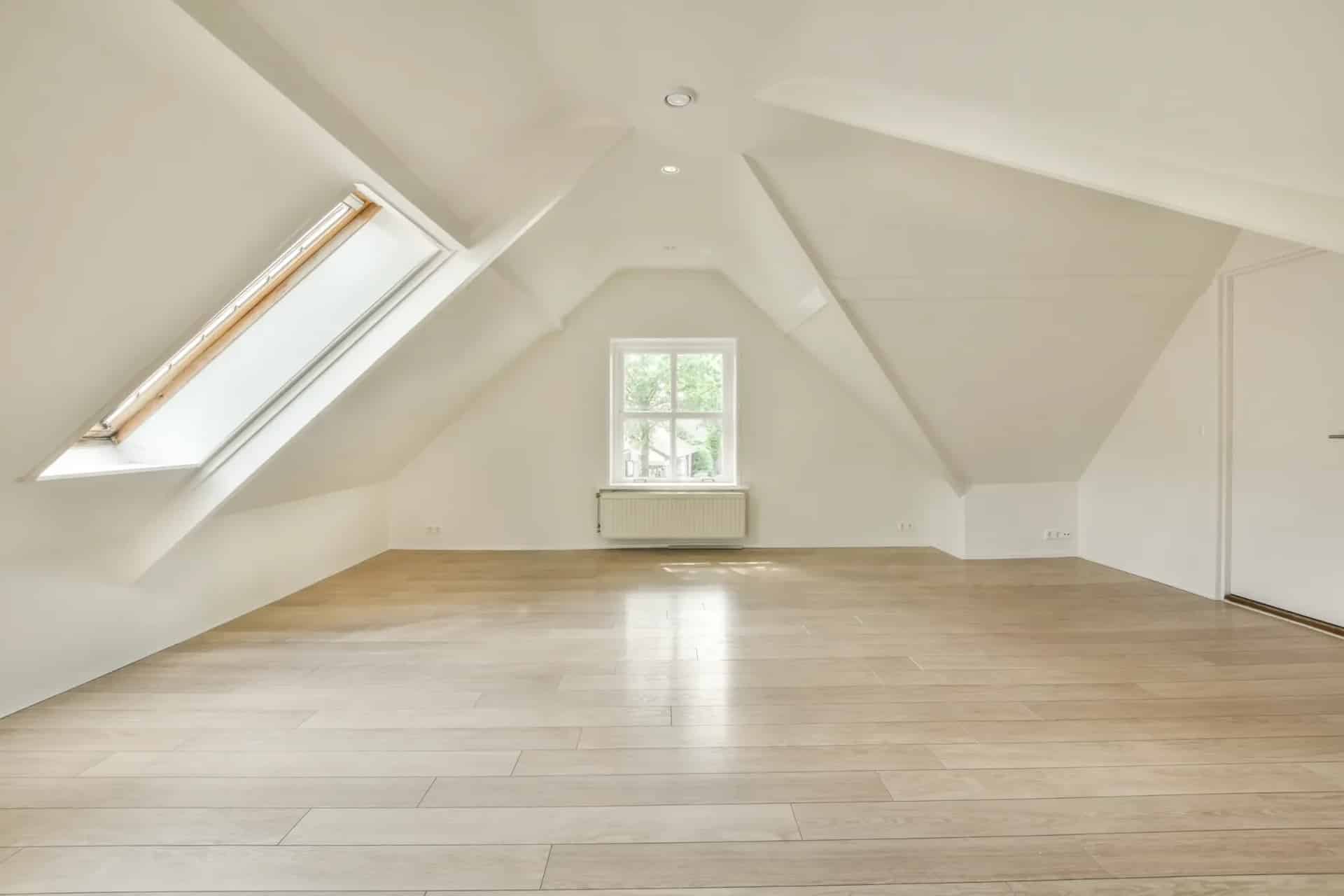
A loft conversion is often the most efficient way to gain an extra room (or two) without altering your home’s footprint. Most rear dormer conversions fall under permitted development, so no planning permission is needed, provided you stay within volume limits, don’t extend above the existing roof height, and use similar materials. You’ll still need Building Regulations approval to ensure structural safety, insulation, fire protection, and proper access (via a compliant staircase).

Costs
Expect £40,000–£60,000 for a typical London loft conversion (rear dormer with bedroom/en-suite). Simple rooflight-only conversions may cost less; large-scale or mansard conversions may exceed £70,000. Most builds take 6–8 weeks once on site.
Benefits
A new bedroom, home office, or studio upstairs relieves pressure downstairs. You retain your garden, often increase property value by 10–20%, and avoid the hassle of moving. It’s one of the best ROI home improvements.
Garage conversions – from wasted space to living space
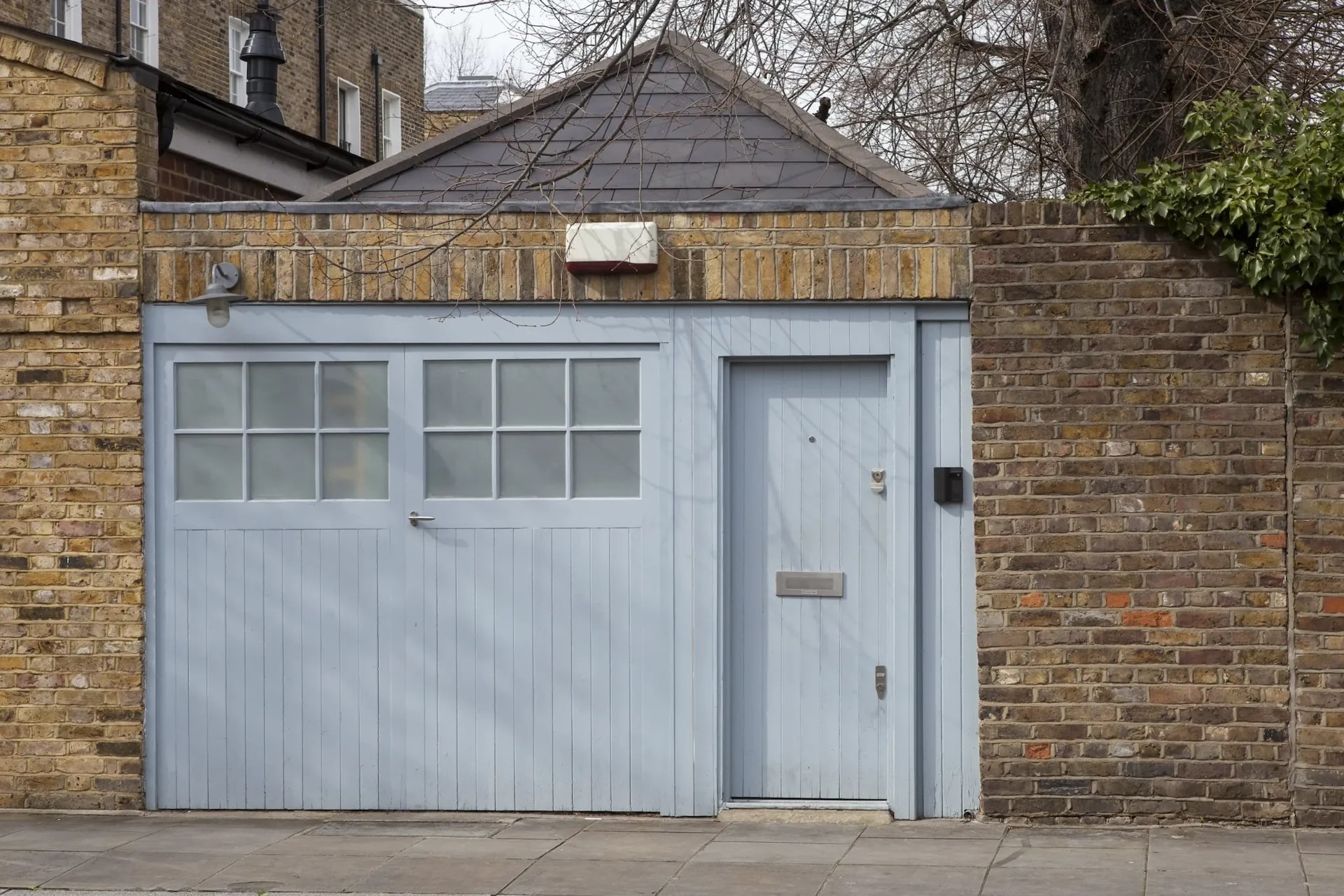
Attached or integral garages are often underused. Converting yours can unlock valuable ground-floor space – ideal for a home office, playroom, guest bedroom or even a kitchen extension.
Most garage conversions don’t need planning permission as long as you’re not enlarging the building. But local restrictions (such as a planning condition requiring garages for parking) can apply. We check everything in advance, including advising whether to get a Lawful Development Certificate for peace of mind.
Garage conversions always require Building Regulations approval – especially for insulation, damp-proofing, structural support, ventilation, and fire safety. Lawrence Rand Property Services manages the whole process and ensures compliance every step of the way.
Costs
Expect £10,000–£20,000 for a standard single garage conversion. Adding a bathroom or high-spec finishes may increase that. Build time is typically 3–5 weeks.
Benefits
It’s one of the cheapest, fastest ways to create new internal space without building out. Plus, you’re making use of an existing shell – no foundations needed. A good conversion can boost home value by 10–15% and dramatically improve everyday life.
Barn conversions –
create a one-of-a-kind countryside home
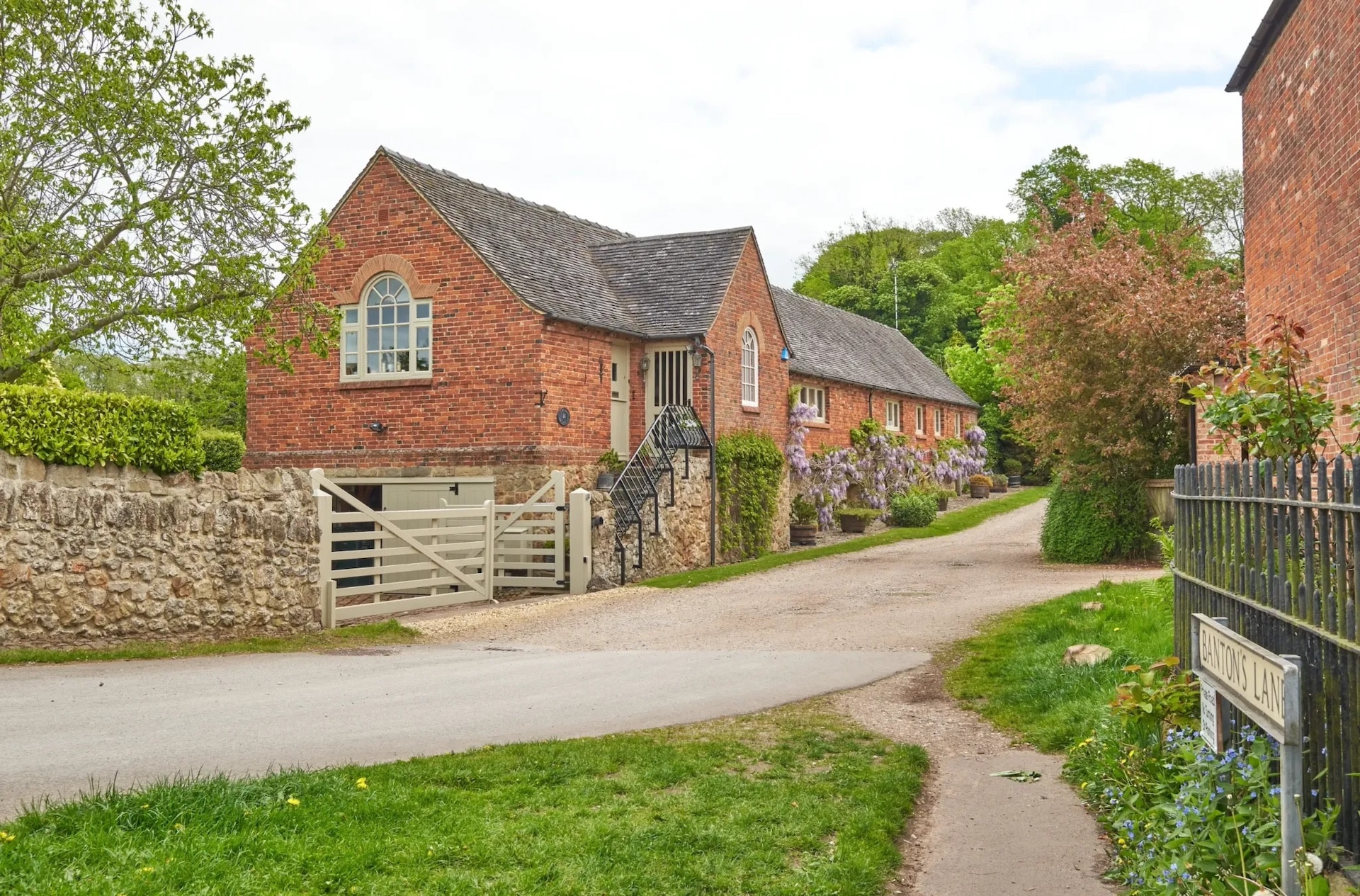
Barns offer an incredible opportunity: transform a disused agricultural building into a bespoke rural home filled with character – exposed beams, vaulted ceilings, stone walls, and open-plan spaces. Some barns can be converted under Class Q permitted development (agricultural use before March 2013, limited size, no major rebuilding). Others require full planning.
Lawrence Rand Property Services will assess your site and handle Prior Approval or full applications as needed – working closely with planning officers to protect the building’s heritage while making it liveable. Barn conversions must meet full Building Regulations for structural integrity, insulation, safety, and modern services. Lawrence Rand Property Services coordinates structural engineers, architectural design, utility connections and full build management to transform barns into warm, efficient, legally compliant homes.
Costs
Average barn conversions cost £250,000–£350,000, depending on size, condition and spec. Timeframes range from 6 months to over a year.
Benefits
You’ll gain a stunning, unique home full of personality, often with high-end finishes and beautiful rural surroundings. Converted barns can attract significant resale value and even qualify for 0% VAT (on eligible projects).
Challenges we solve for you
Conversions come with technical challenges: headroom in lofts, damp floors in garages, or rotten beams in barns. Lawrence Rand Property Services plans thoroughly upfront – inspecting the structure, planning access, and designing for both function and compliance. We also take care of building control inspections, Party Wall agreements, and sourcing matching materials for seamless finishes.
We believe in doing it once – and doing it properly. That means detailed quotes, realistic timelines, and clear communication. If an issue arises (like unexpected pipework or poor insulation), we solve it – not pass it on to you.
Let’s unlock your home’s potential
Converting your loft, garage, or barn doesn’t have to be overwhelming. With Lawrence Rand Property Services, it’s a clear and well-managed process. The space you need might already exist – it just needs vision, experience, and craftsmanship to bring it to life.
If you’re ready to create more space without the stress, get in touch. Let’s discuss your ideas, answer your questions, and take the first step toward transforming your home.
Why choose Lawrence Rand Property Services?
Local knowledge
We understand how planning policies are applied by different local authorities across London, Hertfordshire, Buckinghamshire, Oxfordshire, and Northamptonshire, and we tailor each application to align with their specific expectations.
End-to-end project delivery
From planning to painting, you deal with one accountable team. We take care of permissions, engineering, site works, trades, and finishes — handling every step so you don’t have to.
Stress-free delivery
You’ll never have to chase a plumber or worry about regulations. We manage the build and keep you informed throughout.
Faqs about property conversions

When can a loft conversion be classed as a bedroom?
A loft can be classed as a bedroom once it meets Building Regulations and receives a Completion Certificate from building control. This includes safe stairs (not a ladder), proper fire protection (like mains-powered smoke alarms and fire doors), insulation, ventilation, and structural soundness. Ceiling height should be at least 2.2 m in usable areas. Once signed off, the space is legally habitable and can be marketed or used as a bedroom.
Can a garage conversion be used as a bedroom?
Yes – if it meets building regulations and is approved by building control. The space must be made warm, dry, safe, and fully liveable, with proper insulation, damp-proofing, fire escape access, and ventilation. You’ll likely need to install new windows, upgrade the structure, and ensure it meets energy efficiency standards. In most cases, planning permission isn’t needed unless your area has restrictions or the garage was your only parking space.
Can I extend a barn conversion?
Possibly – but with restrictions. Most barn conversions don’t benefit from permitted development rights, so extensions usually require full planning permission. However, if your barn was converted under Class Q rights, you may now be allowed a single-storey rear extension up to 4 m deep (as of May 2024), provided strict criteria are met. Any larger or more visible extensions must be sensitively designed to preserve the barn’s character and approved by the local council. Listed barns or those in conservation areas face tighter controls.
Do I need planning permission for a loft conversion?
Not always. Many loft conversions fall under permitted development – meaning no planning application is required – as long as you stay within limits (e.g. no more than 40 m³ for terraces or 50 m³ for semis/detached, and no front-facing dormers). You must still follow Building Regulations and check for local restrictions, such as Article 4 Directions or conservation area rules. A Lawful Development Certificate is optional but helpful for resale.
Will I need a party wall agreement for my conversion?
If your work affects a shared wall or boundary (e.g. inserting steel beams for a loft or altering a garage party wall), you must follow the Party Wall Act. This includes serving notice on neighbours and, if required, agreeing a formal surveyor’s award. It’s common in terraced and semi-detached properties. Detached homes usually avoid this, but always check your plans with your builder or architect to be sure.

Ready to get started?
Contact our friendly team today to schedule a free consultation and quote. We’ll listen to your ideas, answer any questions, and help map out a plan tailored to your home. There’s no hard sell and no obligation – just straightforward, honest guidance on how to achieve your perfect extension.
Don’t settle for a home that no longer fits your needs, and don’t put off your dreams because you’re unsure where to start. Lawrence Rand Property Services is here to guide you every step of the way, with expertise, care, and a commitment to your vision. Your dream home extension is within reach – let’s build it together. Get in touch with Lawrence Rand Property Services today, and take the first step toward loving your home even more.